 admin
adminWhat is the typical weight of heavy melting scrap?
Heavy Melting Scrap (HMS) is an essential material in the recycling industry, especially for steel production. It consists of scrap metal, primarily iron and steel, that has been discarded from various sources, such as industrial machinery, old vehicles, and construction materials. The weight of heavy melting scrap can vary significantly depending on the type, source, and size of the scrap metal, but there are typical weight categories that help determine its classification and value in the market.
1. General Weight Range of Heavy Melting Scrap
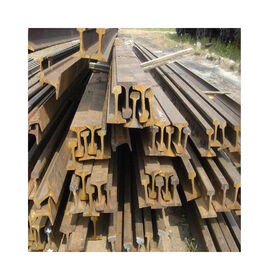
Heavy Melting Scrap typically refers to large pieces of metal that are suitable for recycling. In most cases, it is made up of items such as steel plates, heavy machinery parts, and structural metal beams. The weight of HMS generally ranges from a few hundred kilograms to several tons per piece. These large metal items, due to their sheer mass, make it easier to handle and process in bulk for smelting and manufacturing new metal products.
When sold or transported, heavy melting scrap is often weighed by the ton. A single ton (2,000 pounds or approximately 907 kilograms) of heavy melting scrap can consist of various items, but the material’s collective weight must be substantial to be categorized as “heavy melting.” The weight can vary depending on the metal’s thickness and composition, with thicker and more durable pieces of metal generally weighing more.
2. Classification of Heavy Melting Scrap
Heavy Melting Scrap is typically classified into two primary categories based on weight and quality: HMS 1 and HMS 2. Both classifications represent different grades of scrap, but the weight of the material in both grades remains substantial.
-
HMS 1 is usually considered the highest quality of heavy melting scrap. It consists of large, clean, and unpainted steel or iron pieces, often weighing hundreds of kilograms or more. These pieces include items like steel plates, industrial machinery, and structural beams. The weight of each piece can vary, but it’s typically large enough to contribute significantly to the overall tonnage.
-
HMS 2 consists of lower-quality scrap, which may contain mixed materials, smaller components, and items with rust or contaminants. While the pieces in this grade are often smaller and lighter than HMS 1, they still carry significant weight, and their combined total can easily reach several tons per shipment. The weight of these scrap metals can range from a few kilograms to hundreds of kilograms per item, but collectively, they contribute to the overall tonnage of HMS 2.
3. Factors That Influence the Weight of Heavy Melting Scrap
Several factors influence the weight of heavy melting scrap, including the type of metal, the size of the scrap, and its source. For example:
-
Size of Metal Components: Larger metal components, such as beams and machinery parts, generally have more weight compared to smaller scrap pieces like nuts, bolts, or industrial waste. The larger the scrap pieces, the heavier the overall weight of the shipment.
-
Material Composition: Different metals have different densities. For example, steel and iron, the primary materials in heavy melting scrap, are relatively dense, which means that even smaller components made from these metals can contribute significantly to the overall weight. If the scrap contains metals like aluminum or copper, the weight will differ due to their lower density.
-
Contamination and Cleanliness: Scrap metal that has been contaminated with oils, chemicals, or other foreign materials may weigh slightly more due to these additives. However, clean scrap metal is typically preferred in the recycling industry, as it requires less processing and offers higher quality in the final product.
4. Exporting and Shipping Heavy Melting Scrap
The weight of heavy melting scrap also plays a crucial role in the logistics and cost of exporting or shipping the material. Since HMS is sold by the ton, the shipping costs for heavy melting scrap are typically calculated based on the total weight. The heavier the shipment, the higher the shipping costs will be, especially when transporting the scrap over long distances.
When sourcing heavy melting scrap from different regions, such as China, India, or Korea, buyers need to consider both the weight of the material and the associated transportation costs. Platforms like Global Sources offer an easy way for businesses to compare prices for heavy melting scrap by weight and reach out to verified suppliers from various countries to finalize deals. Shipping bulk quantities of scrap metal, especially from countries with large industrial outputs, involves precise calculations to ensure that the load is manageable and cost-efficient for both the seller and the buyer.
5. Importance of Weight in the Scrap Metal Industry
The weight of heavy melting scrap is essential for businesses in the recycling and manufacturing industries. Not only does it determine the value of the scrap, but it also influences the price paid to suppliers and the cost of processing the material into new products. Additionally, large quantities of scrap metal, measured in tons, are crucial for steel mills and other industries that rely on recycled metal to reduce production costs.
Conclusion
Heavy Melting Scrap can vary in weight depending on the type, size, and composition of the metal, but it is typically measured in tons. The weight of each piece of scrap metal contributes to the overall tonnage, which is an essential factor in determining its market value and the costs associated with shipping and handling. Whether purchasing HMS locally or from international suppliers in countries like China, India, or Korea, understanding the typical weight of heavy melting scrap helps businesses manage their purchasing decisions, shipping logistics, and pricing strategies. Online platforms like Global Sources provide an easy way to compare prices for heavy melting scrap based on weight and quality, making it easier for buyers to strike deals with verified suppliers.
