 admin
adminemployees can claim common law severance federally
Which employees can claim common law severance federally? This is a critical question for workers in federally regulated industries who face termination and want to understand their true legal entitlements. Federal employment standards legislation establishes minimum termination and severance obligations for employers in sectors such as banking, telecommunications, transportation, and broadcasting. However, these statutory minimums do not automatically limit an employee’s rights. In many cases, federally regulated employees may still pursue significantly higher compensation under common law principles.
Common law severance is generally available to non-unionized employees who have been dismissed without just cause, regardless of whether their employer is governed by federal or provincial legislation. The key factor is whether the employment relationship is governed by a valid contract that lawfully restricts termination entitlements to statutory minimums. If no such limitation exists, courts will typically presume that the employee is entitled to reasonable notice under common law. This means that a wide range of federally regulated employees, including managers, professionals, technical staff, and long-term hourly workers, may be eligible for common law severance when their employment ends.
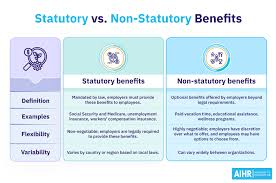
A major point of confusion arises when employees assume that federal regulation eliminates common law rights. In reality, the distinction between Statutory vs common law severance federal regimes reflects two separate layers of protection. Federal statutes establish minimum entitlements, while common law fills in the gap where legislation remains silent on reasonable notice. Courts consistently recognize that unless an employment contract clearly and legally removes common law entitlements, employees retain the right to seek common law severance even within federal jurisdiction.
Which employees can claim common law severance federally?
Certain groups of employees are particularly likely to benefit from common law severance claims. Long-service employees, senior executives, older workers, and those in specialized roles often face greater challenges finding comparable employment. Courts account for these difficulties by awarding longer notice periods under common law. For example, a senior professional with fifteen years of service in a federally regulated company may receive only a few weeks of severance under statutory rules but could be awarded many months of compensation through common law principles.
However, not all employees can claim common law severance. Unionized workers are generally excluded because their rights are governed by collective agreements and labor arbitration rather than court-based common law remedies. Additionally, employees terminated for serious misconduct or “just cause” are not entitled to severance under either statutory or common law frameworks. Fixed-term contract employees may also have limited rights depending on the wording of their agreement.
Employment contracts play a decisive role in determining eligibility. If a contract contains a properly drafted termination clause that limits severance to the minimum required under federal employment standards, courts will usually enforce it. But many such clauses fail to meet strict legal requirements. If the clause is ambiguous, outdated, or inconsistent with legislation, the entire limitation may be struck down, restoring the employee’s full common law rights.
Ultimately, the question of which employees can claim common law severance federally depends on a combination of legal status, contractual language, and individual circumstances. While federal legislation sets the floor, common law continues to provide substantial additional protection for many non-unionized employees. Understanding this distinction empowers workers to avoid accepting inadequate termination offers and to pursue the compensation they are truly entitled to receive when their employment ends.
